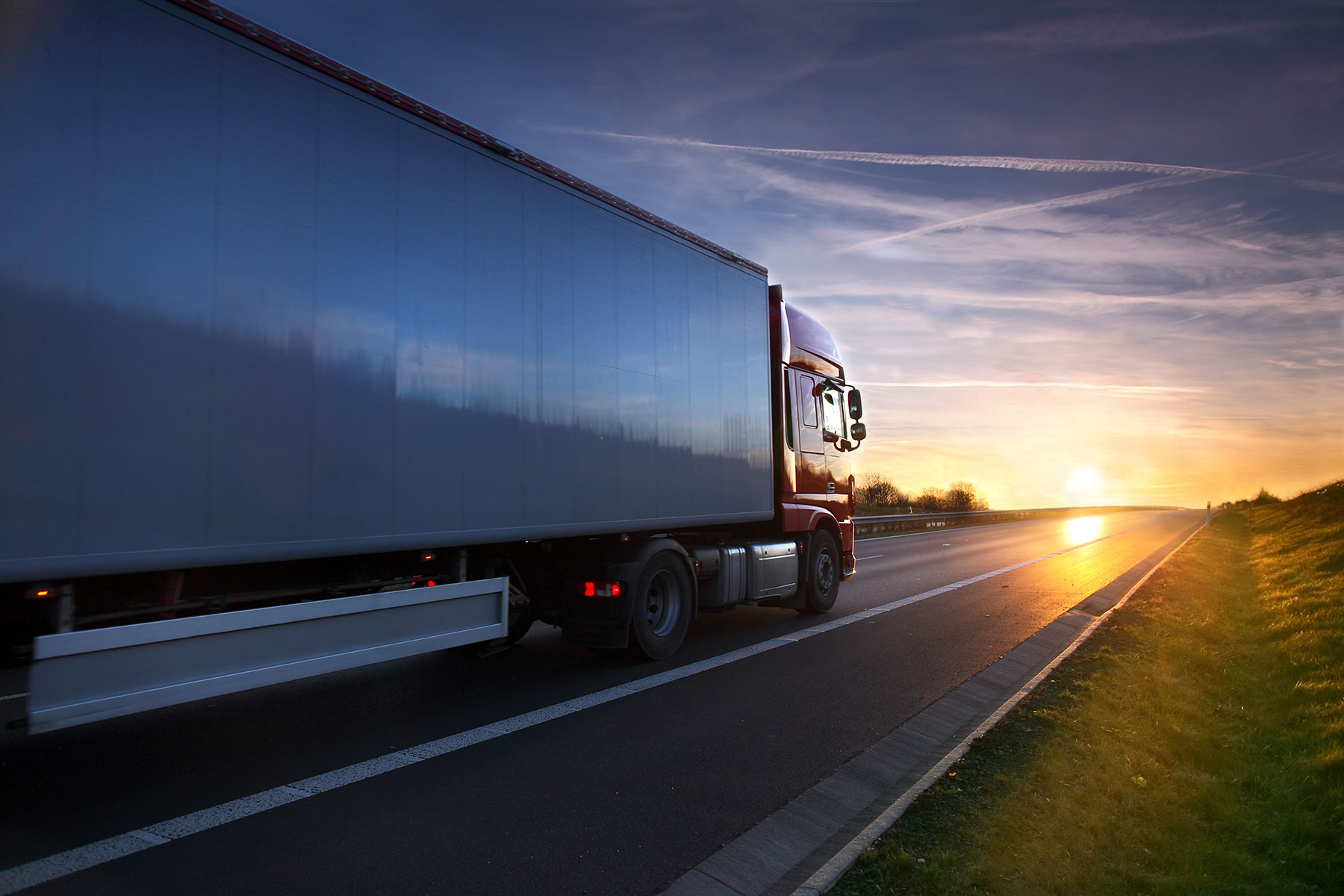
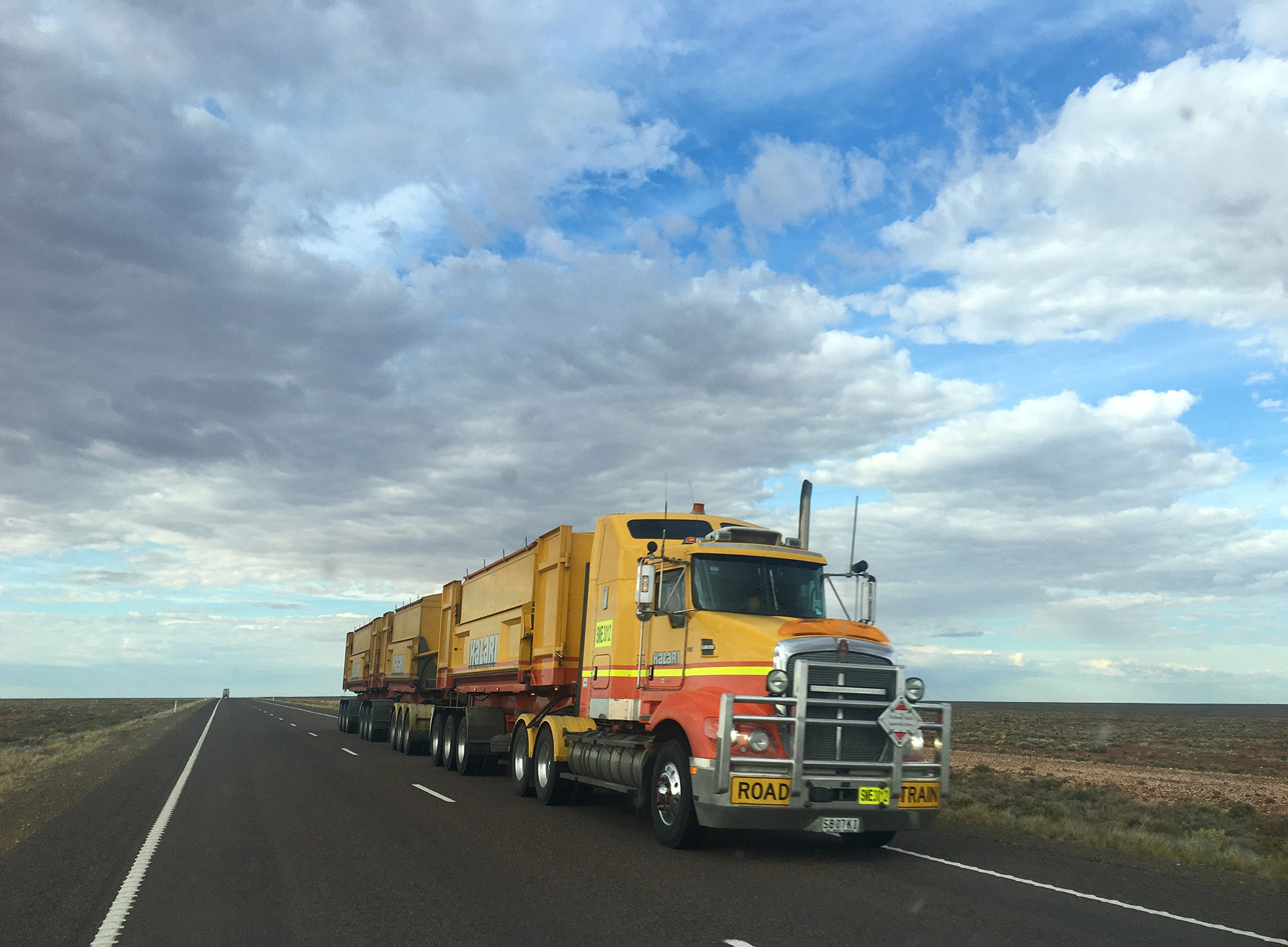
Land and rail transportation are critical components of the global logistics industry. Land transportation includes the movement of goods by road, while rail transportation involves the movement of goods by rail. Both modes of transportation offer advantages and disadvantages depending on the nature of the shipment and the distance to be covered.
Land transportation is often used for short-haul shipments or for deliveries to remote locations that are not accessible by sea or air. It is also an ideal option for the transportation of perishable goods that require fast and efficient delivery. However, land transportation can be affected by traffic, road conditions, and weather, which can cause delays and increase costs.
On the other hand, rail transportation is well-suited for long-distance shipments of large and heavy goods. It is also an eco-friendly option, as it produces fewer emissions compared to road transportation. Rail transportation is often more cost-effective than other modes of transportation, but it is limited to locations with rail infrastructure. Additionally, rail transportation may not be as flexible as road transportation since it requires specific loading and unloading facilities.
In conclusion, the choice between land and rail transportation depends on various factors, including the nature of the shipment, the distance to be covered, and the cost and time requirements. An experienced logistics provider like Oceanlord can help businesses navigate these factors and select the most appropriate transportation mode for their needs. With a global network of partners and a commitment to providing exceptional service, Oceanlord can ensure that your goods are transported safely, efficiently, and cost-effectively.