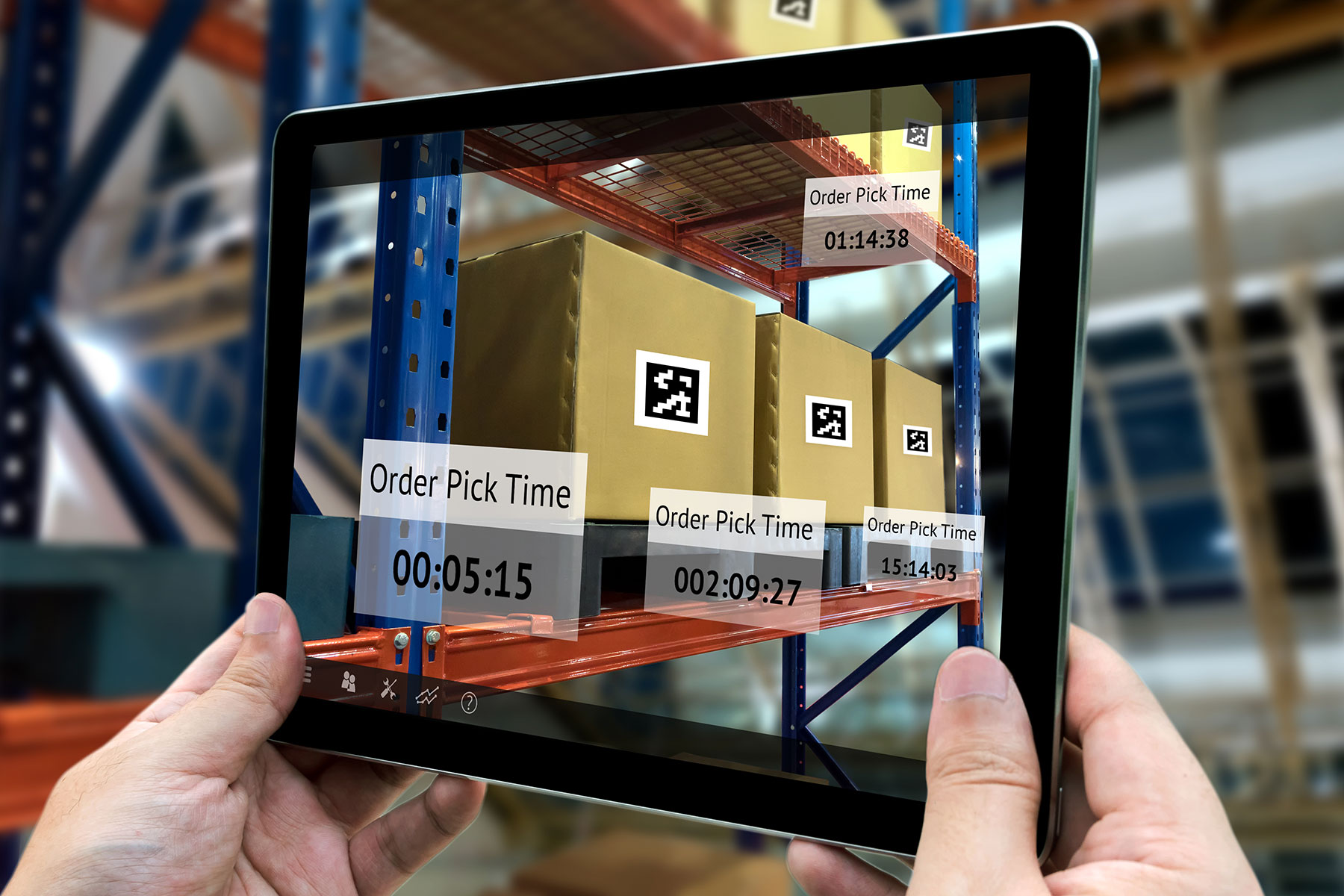
Smart warehouses are the future of the logistics industry. These warehouses are equipped with advanced technologies such as robotics, Internet of Things (IoT) sensors, and artificial intelligence (AI) to improve efficiency and reduce costs.
The use of these technologies allows for real-time monitoring and data analysis, enabling warehouse operators to make more informed decisions about inventory management and order fulfillment. Smart warehouses also provide enhanced visibility and traceability throughout the supply chain, giving customers the peace of mind that their goods are being handled and stored safely.
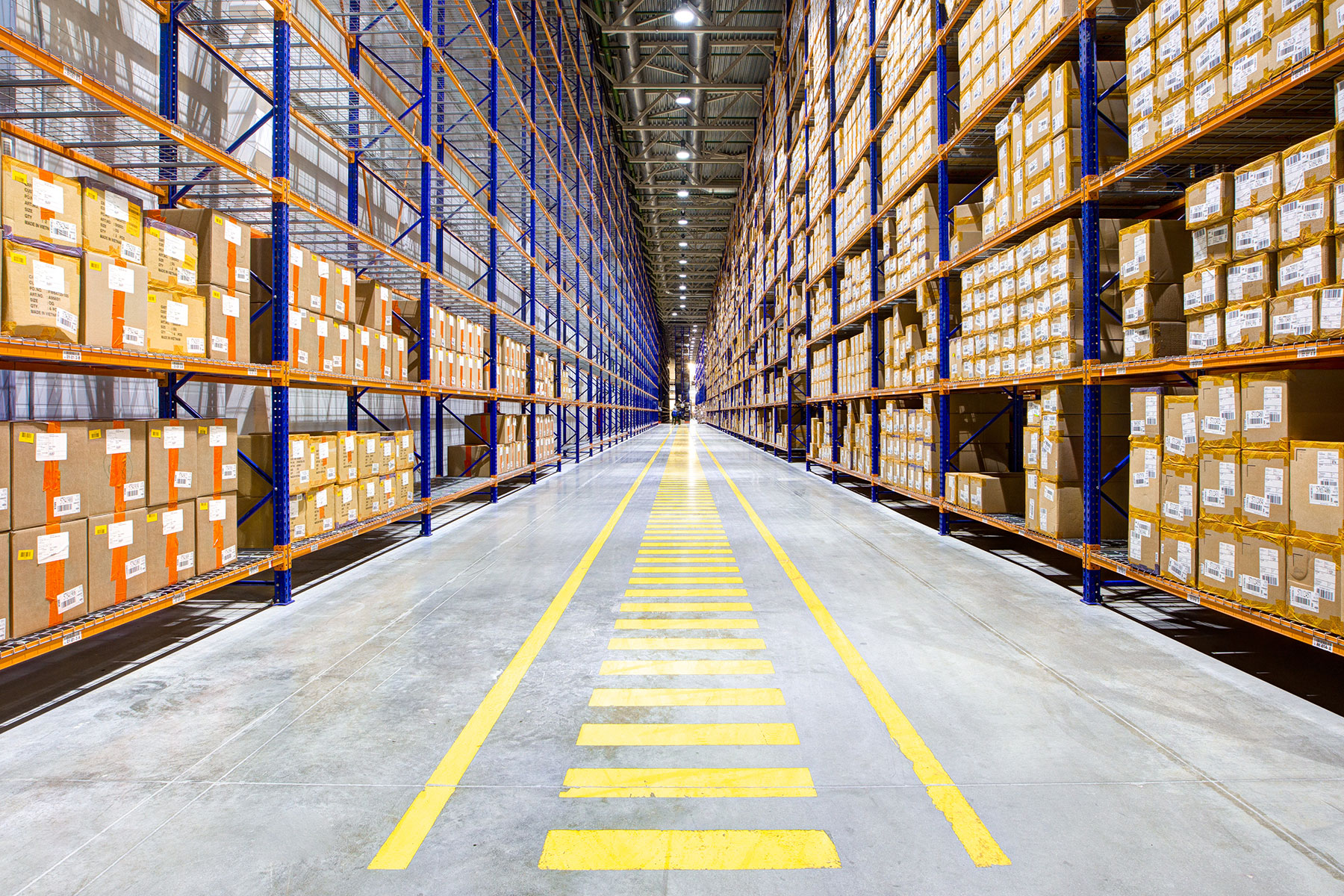
One of the key benefits of smart warehouses is increased automation. With the use of robotics and AI, many manual tasks such as inventory management, picking, and packing can be automated, reducing the need for human labor and minimizing errors. This results in faster turnaround times and increased accuracy, leading to improved customer satisfaction. In addition, the use of smart technology can help to optimize space utilization, enabling warehouse operators to store more goods in a smaller footprint, reducing costs associated with storage and transportation.
Smart warehouses are also eco-friendly. The use of IoT sensors and AI can help to reduce energy consumption and carbon emissions by optimizing lighting, temperature control, and other energy-consuming processes. By implementing sustainable practices in their operations, smart warehouses can help to reduce their environmental impact while also improving their bottom line. As the demand for sustainable logistics solutions continues to grow, smart warehouses will play an increasingly important role in the industry.